Burke-Divide Electric Cooperative strives to provide you with reliable, uninterrupted service every day of the year, but sometimes Mother Nature creates unavoidable power outages.
“Expect the unexpected” is the focus of National Preparedness Month in September, which encourages everyone to plan for disasters or emergencies in their homes, businesses and communities.
Burke-Divide Electric encourages members to take an inventory now of items you need that rely on electricity. Make backup plans if you have medical equipment or assistive technology devices dependent on power for life-sustaining purposes. Then follow some other tips:
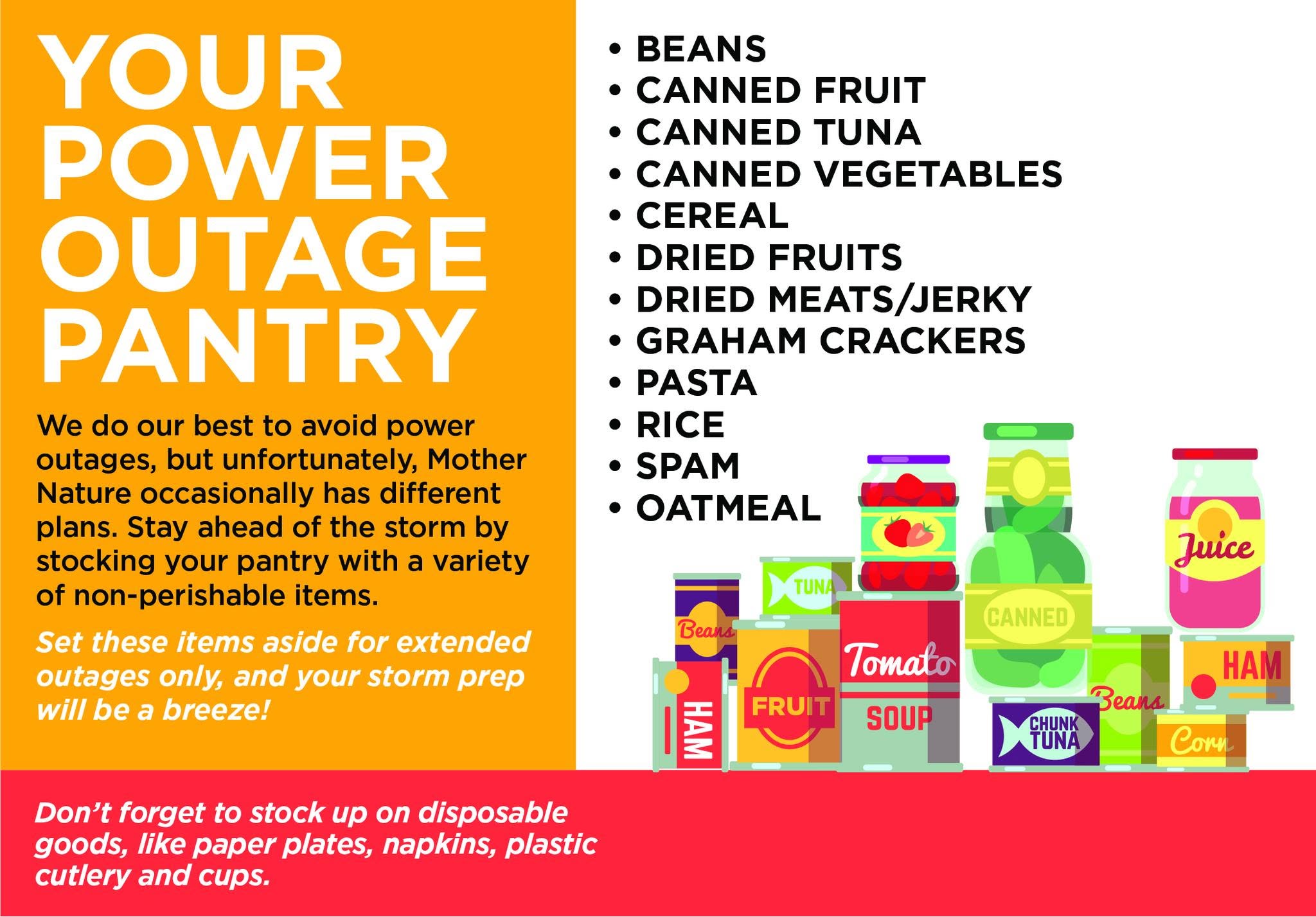
- Build or restock your emergency preparedness kit. Ensure you have at least one flashlight with extra batteries per household member and a ready supply of nonperishable food and water. Include extra batteries, cash and first-aid supplies and medications.
- Keep mobile phones and any battery-powered devices charged, and make sure you have backup charging methods, such as a car charger.
- Keep your car’s gas tank full. If you use your car to charge devices, do not leave the car running in a garage, partly closed space or near a home to avoid carbon monoxide poisoning.
- Know where the manual release lever of your electric garage door opener is located and how to operate it.
- During a power outage, only use flashlights for lighting. Avoid using candles, as they could be a fire hazard.
- Turn off or disconnect appliances and other equipment to protect them from quick power surges. Whenever possible, use surge protectors.
- Avoid carbon monoxide poisoning. Generators, camp stoves or charcoal grills should always be used outdoors and at least 20 feet away from windows. Never use a gas stovetop or oven to heat your home. Follow manufacturer instructions.
- Check on your neighbors. Older adults and young children are especially vulnerable to extreme temperatures.
- Keep perishable food cold to avoid illness. Keep a thermometer in your refrigerator and freezer to monitor the temperature. When in doubt, throw it out! Throw away any food that has been exposed to temperatures 40 degrees or higher for two hours or more, or that has an unusual odor, color or texture.
- If the power is out for more than a day, discard any medication that should be refrigerated.
- If you use a generator, follow manufacturer directions. Most important is the transfer switch that disconnects the farm or home from the power line and connects it to the generator. It must be a double-throw transfer switch, which prevents the generator from feeding electricity back onto the power line. This protects the lineworkers who may be working to restore your service.